Bring Affiliates and Intragroup Risk into Focus
ProcessUnity’s Affiliates Risk Management (ARM) solution helps organizations identify, assess, and manage risk across affiliates, subsidiaries, and internal service providers — giving enterprises and regulated financial institutions the visibility, governance, and resilience needed to manage internal service relationships with confidence.
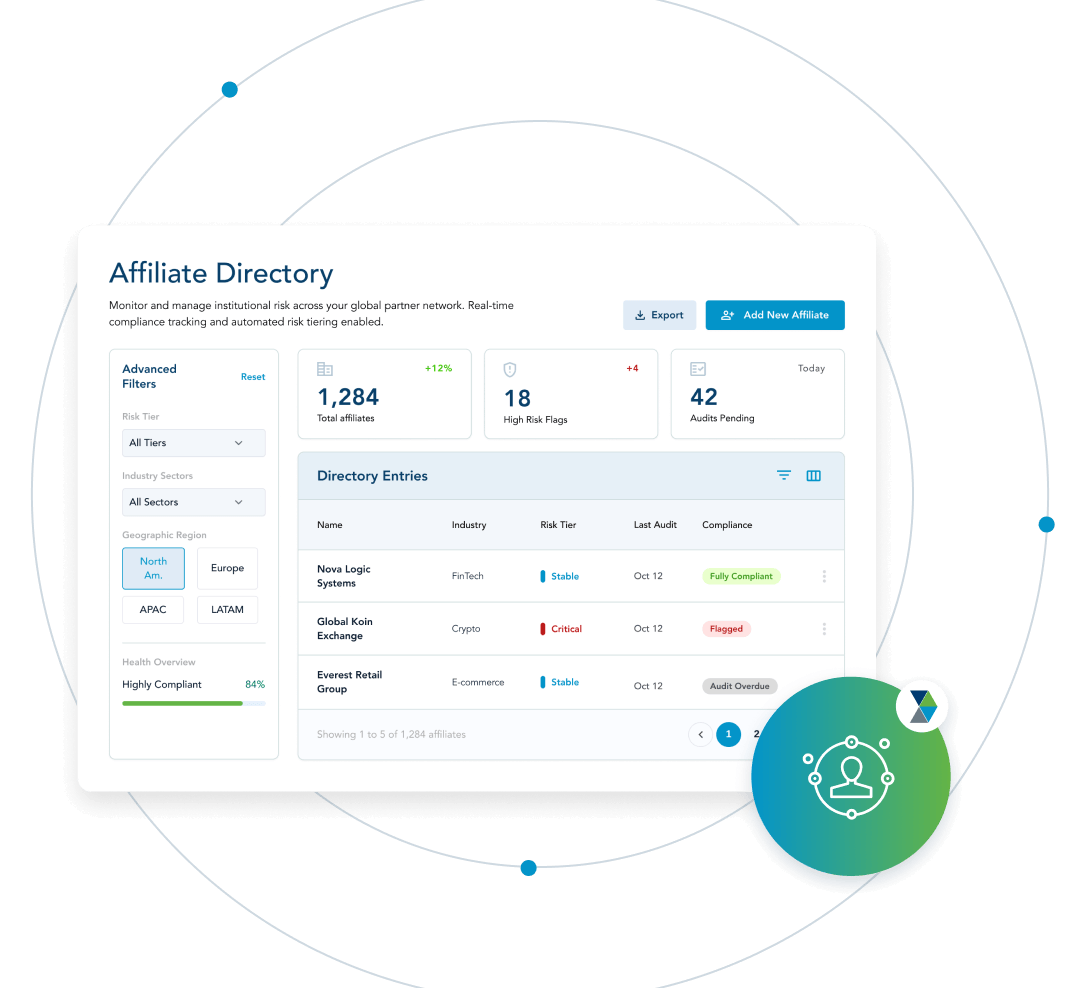
Internal Service Relationships Create Hidden Risk
Most organizations have mature programs for managing external third-party risk. Yet the services exchanged between affiliated legal entities often lack the same level of governance, documentation, and oversight.
Across enterprises, and especially within regulated financial institutions, internal entities frequently act as both service providers and service recipients. These relationships support critical functions such as technology, operations, finance, data processing, and shared services. Increasingly, regulators view many of these arrangements as material outsourcing relationships that require formal governance, risk assessment, and ongoing monitoring.
Without a structured approach, organizations struggle to understand where internal risk exists, how service disruptions may cascade across legal entities, and how to demonstrate defensible oversight.
This makes it difficult to:
- Gain visibility into internal service dependencies
- Identify critical affiliates and intragroup relationships
- Apply consistent risk assessments across internal services
- Understand the downstream impact of service disruptions
- Support operational resilience, business continuity, and recovery planning
- Demonstrate governance during audits and regulatory examinations
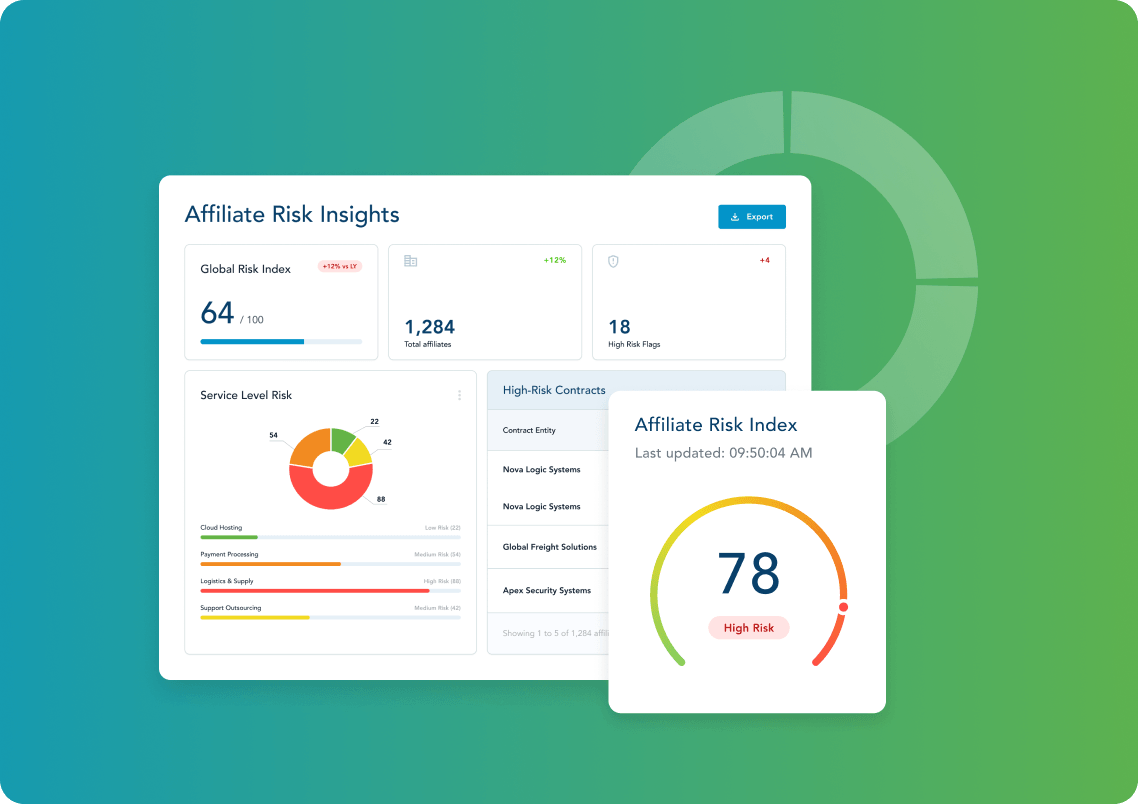
Why Affiliates Risk Management Matters
Affiliates Risk Management (ARM) helps organizations identify, assess, monitor, and govern risk across affiliated legal
entities, subsidiaries, and internal service providers.
As regulators place greater scrutiny on internal outsourcing and operational resilience, organizations need a structured way
to manage internal service relationships with the same rigor applied to external third parties.
ARM helps organizations:

Understand internal service dependencies

Assess operational and concentration risk

Improve governance across affiliated entities

Strengthen operational resilience

Support regulatory and audit readiness

Maintain visibility into critical internal relationships
For financial institutions, affiliates risk management plays an increasingly important role in supporting compliance with
DORA, OCC guidance, EBA Outsourcing Guidelines, and broader operational resilience requirements.
The ProcessUnity Affiliates Risk Management Solution
ProcessUnity’s Affiliates Risk Management solution provides a structured, scalable approach to managing risk across internal
service relationships. ARM helps organizations map legal entities, define internal services, document provider and receiver
relationships, and assess risk using a right-sized methodology designed specifically for affiliates, subsidiaries, and internal
service providers.
What Financial Organizations Gain

Regulatory Alignment
Support compliance with DORA, OCC 2013-29, FRB SR 13-19, FDIC guidance, EBA Outsourcing Guidelines, and by treating affiliated entities as third parties for risk management purposes.

Legal-Entity Transparency
Gain a clear view of which entities provide critical services, which entities depend on them, and where concentration risk exists.

Clear Visibility into Contractual Obligations
Maintain accurate, centralized insight into intercompany contracts to understand service expectations, ownership, and accountability across internal relationships.

Stronger Operational Resilience and Recovery Planning
Trace service disruptions across internal providers and receivers to support incident management, business continuity, and recovery and resolution planning.

Scalable, Defensible Governance
Apply a right-sized methodology tailored for affiliates relationships that reduces assessment burden while meeting regulatory expectations.
Why Organizations Manage Affiliates Risk with ProcessUnity
Enterprise-Wide Visibility
Understand who is providing services, who is receiving them, and where critical dependencies exist across affiliates, subsidiaries, and internal business units.

Smarter Risk Prioritization
Aggregate risk insights at the service, contract, and legal-entity level so teams can focus on the relationships that matter most.

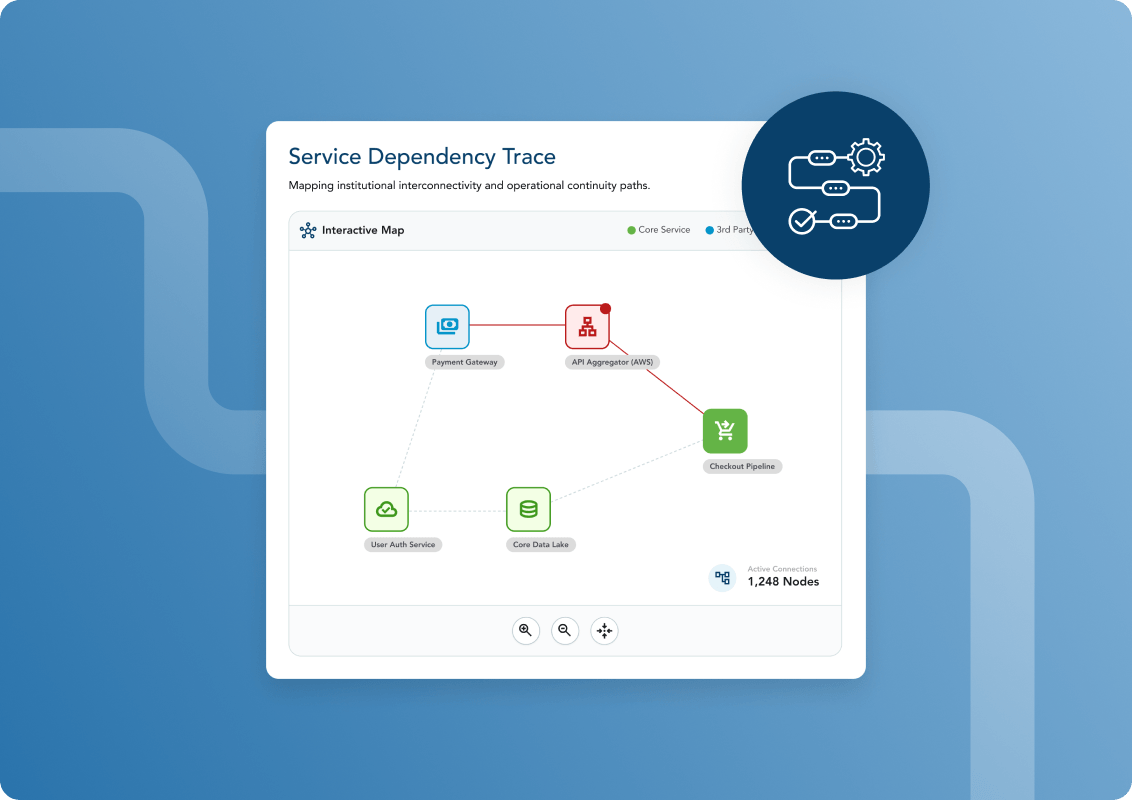
Stronger Operational Resilience
Trace service dependencies to better prepare for incidents, disruptions, business continuity events, and recovery scenarios.
Scalable Governance
Apply a consistent but streamlined framework that reduces burden on internal teams while maintaining clear oversight and accountability.
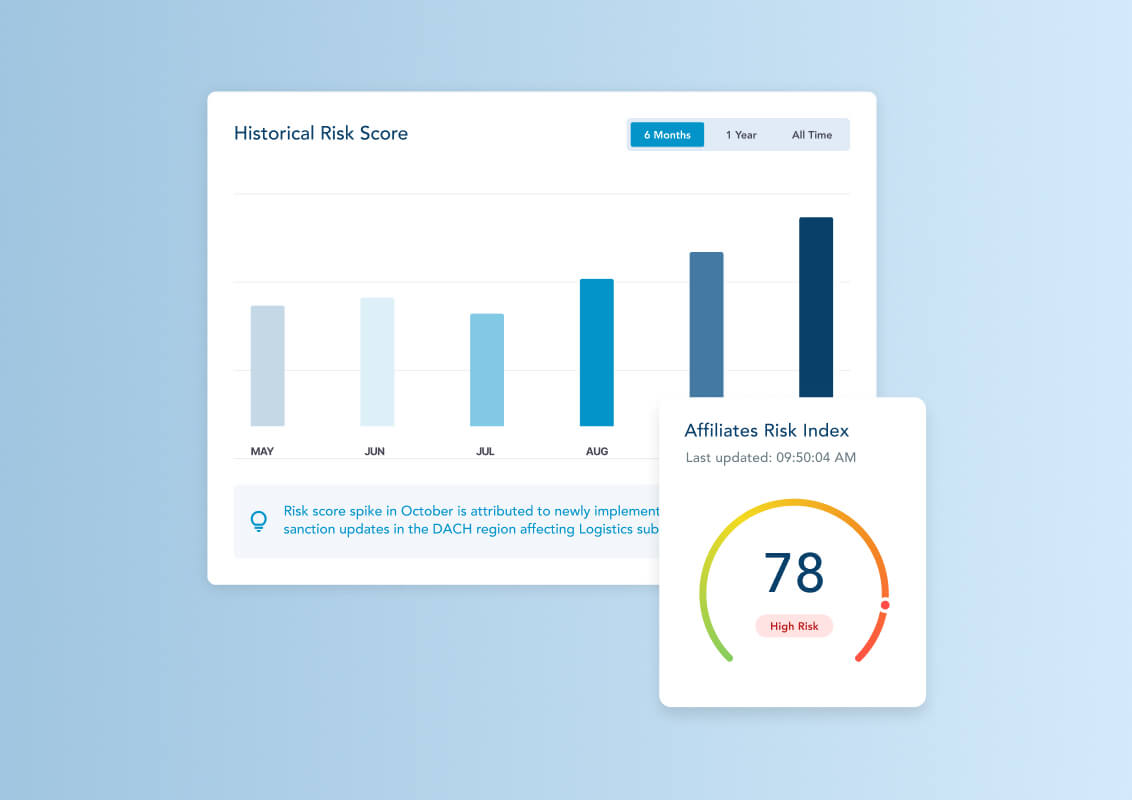
How It Works

Organize legal entities in a hierarchical structure

Perform inherent risk assessments and periodic relationship reviews

Define internal services using a standardized service taxonomy

Monitor risk through automated review cycles, issues tracking, and reporting

Capture provider and receiver relationships through structured contracts

Integrate with TPRM, GRC, incident management, and regulatory reporting systems
Why ProcessUnity for Affiliates Risk Management
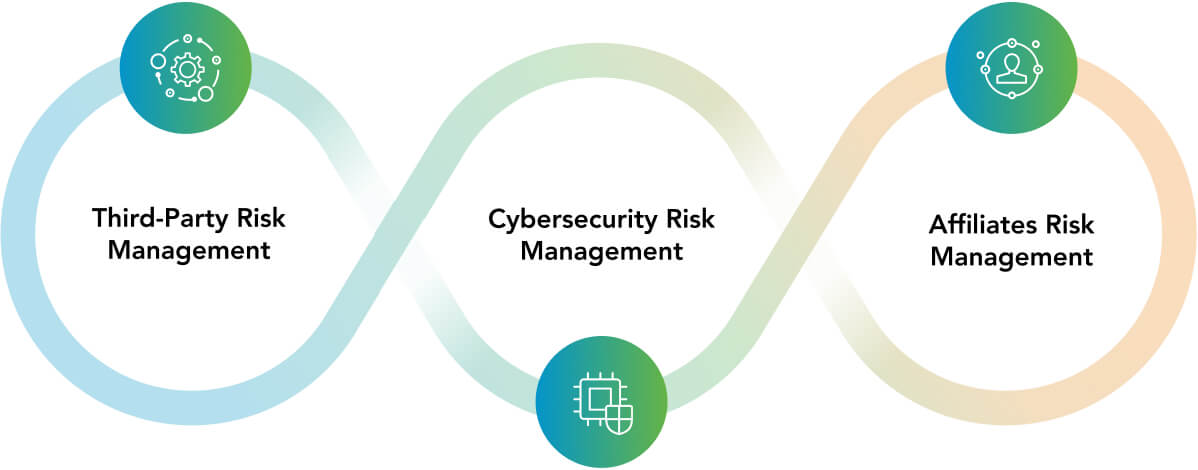
Affiliates Risk Management is a natural extension of ProcessUnity’s unified risk platform:
- Third-Party Risk Management (TPRM) for external third-party risk
- Cybersecurity Risk Management (CSRM) for internal cybersecurity risk
- Affiliates Risk Management (ARM) for internal affiliates, subsidiary, and intragroup risk
ProcessUnity delivers unmatched visibility into internal service relationships through a single, integrated platform designed to scale with enterprise complexity. For financial institutions, that means a regulator-aligned way to demonstrate control, transparency, and resilience across internal outsourcing arrangements.
Next Steps:
Schedule a ProcessUnity Platform Demo
Our team is here to show you how forward-thinking organizations are elevating
their Third-Party Risk Management programs and practices to maximize risk
reduction. Start your journey with ProcessUnity today.